Ads
Ads


Ads


Ads


Ads


Ads


Ads


Ads


Ads


  • hyper ornamentation
    philadelphia PENNSYLVANIA

    suckerPUNCH: describe your project.

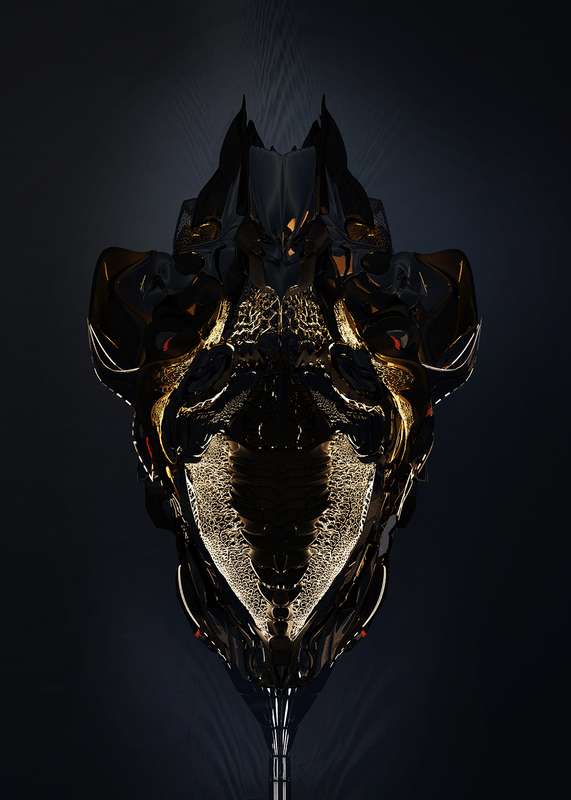
    johnny c. LIN: these works are inspired by the surface quality and the aesthetic of rococo church  and machine.  the study is to focus on the quality transformation from flat, soft to delicate, rough surface by integrating with mechanical joints and ornamentation.  the contrast between flat and delicate brings out each other’s identity and quality and also revealing the function.  by studying the rococo church, from a distance, the quality of the delicate surface brings out a very strong architectural space, and when approaching to the details, each unique figure is telling its own story.  the study is also focus on how each unique objects becoming seamless when grouping / attaching to others.

    critic: ali RAHIM, penn design

    [MORE]

  • ten books on architecture
    2007

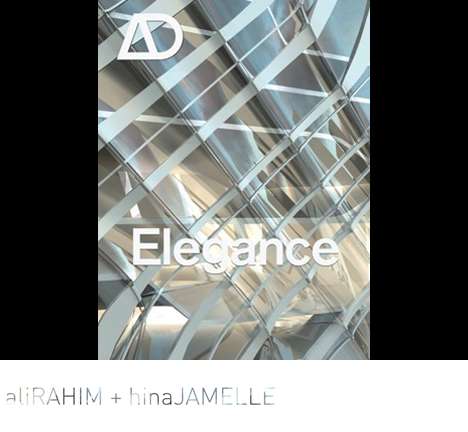
    AD: this issue of ad extrapolates current design tendencies and brings them together to present a new type of architecture, one that is seamlessly tying processes, space, structure and material together with a self-assured beauty. ‘elegance’ here is cast with a new contemporary meaning as it is applied to work that is effortlessly complex. it is analogous to an elegant algorithm that uses a small amount of initiative code to great effect. in a structure elegance may be expressed by a complex surface that retains its continuity and integrity even when punctured. in many ways, elegance marks a coming of age for, ‘digital architecture’, as architects become more adept at producing complexity and integrating digital design technologies, production and assembly systems producing elegant solutions.

    includes essays by manuel delanda, greg lynn, un studio, zaha hadid architects, preston scott cohen, and hani rashid.

  • catalytic formations
    2006

    catalytic formations documents ali RAHIM’S work and thoughts through 2003. beautiful line drawings and stark white renderings fill the pages. interspersed are essays by rahim on technique, technology, affects, and feedback loops. work by greg lynn, zaha hadid, kol/mac, nox, and cecil balmond is used throughout to illustrate the ideas found in the texts.