Permanent Change: Plastics In Architecture And Engineering
Wednesday 30 March – 1 April
Columbia GSAPP
Avery Hall
1172 Amsterdam Ave
New York, NY
-
-
suckerPUNCH: describe your project.
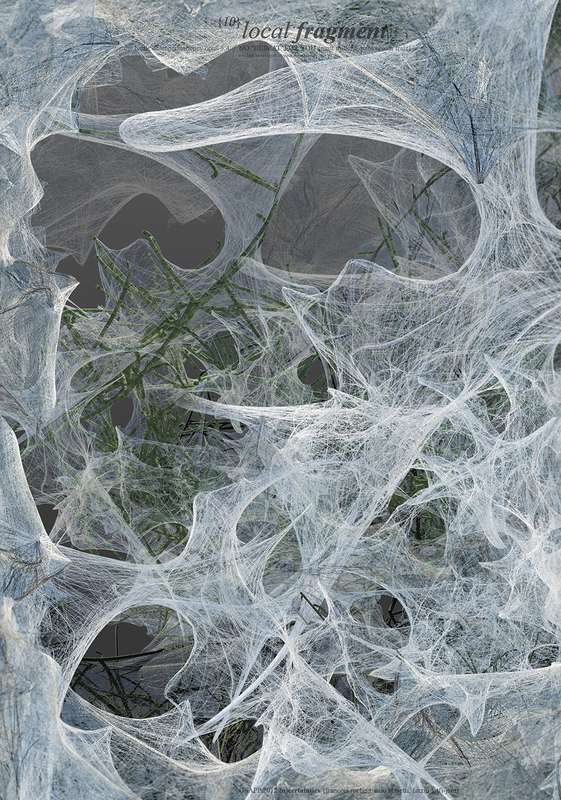
luca FARINELLI: The setting is a post apocalyptic Los Angeles, where the zombie wars have made the environment desolate and dangerous. A family of 5 is trying to survive, living in an insect like structure. Solitary in this tabula rasa, its origins are unknown, its nature unclear, yet it is pleasing to the eye.
-
Team Members:
john HOOPER
morgan REYNOLDS
christo LOGAN
david KWONsuckerPUNCH: describe your project.
john HOOPER: The project is a continuation of a digital fabrication course at Columbia University’s Graduate School of Architecture, Planning and Preservation taught by Josh Draper and Joe Vidich.
[MORE] -
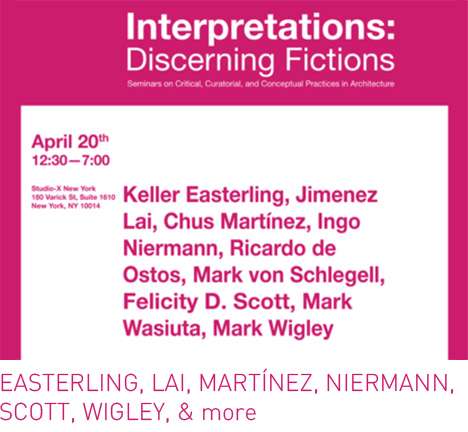
In Dialogue: Eisenman + Wigley VII
08.11.10
12:00PM – 2:00PMWood Auditorium, Avery Hall
An On-Going Conversation between Peter Eisenman and Mark WigleySponsored by the Temple Hoyne Buell Center for the Study of American Architecture
-
suckerPUNCH: describe your project.
john BECKER and sofia KRIMIZI: grown from a tissue culture extracted from the occupant, the architecture mimics the natural processes that generate the human envelope. epidermic hyperplasia is a semi-living structure consisting of human tissue cells and a pga scaffolding that provides the structure for the epidermis. the pga scaffolding is a biodegradable plastic that provides the necessary nutrients to grow the flesh; the scaffolding is consumed by the tissue as it grows eventually causing the demise of the entire system.
-
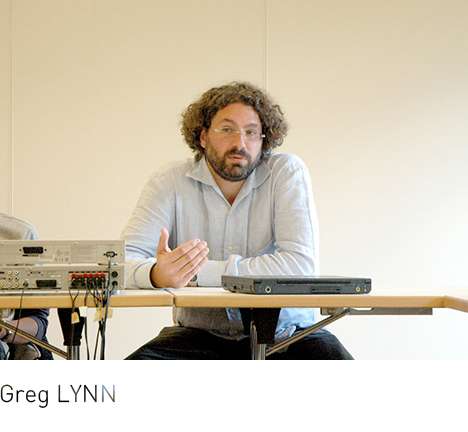
before bernard TSCHUMI stepped down as dean of the gsapp, he held a conference in new york inviting forty architects and theorists to take on the state of architectural practice at the start of the 21st century. the essays, conversations, and manifestos revolved around categories such as form, aesthetics, politics, detail, electronics, and material. the book features forty essays including peter eisenman’s the affects of disaster, sylvia lavin’s how architecture stopped being the 97 pound weakling and became cool, jeff kipnis’s form’s second coming, sanford kwinter’s four arguments for the elimination of architecture (long live architecture), and others by lars spuybroek, greg lynn, hani rashid, mark wigley, terrence riley, karl chu, zaha hadid, thom mayne.
-
suckerPUNCH: describe your project.
philip MANA: a study into the creation of space and form through the mass-accumulation of dynamic (animated) self same objects each exhibiting its own developmental behaviors and luscious texture to create an overall affect.