birkhäuser basel : in the years 1942 to 1948, le corbusier developed a system of measurements which became known as “modulor”. based on the golden section and fibonacci numbers and also using the physical dimensions of the average human, modulor is a sequence of measurements which le corbusier used to achieve harmony in his architectural compositions. le modulor was published in 1950 and after meeting with success, le corbusier went on to publish modulor 2 in 1955. in many of le corbusier’s most notable buildings, including the chapel at ronchamp and the unité d’habitation, evidence of his modulor system can be seen. these two volumes form an important and integral part of le corbusier’s theoretical writings.
-
-
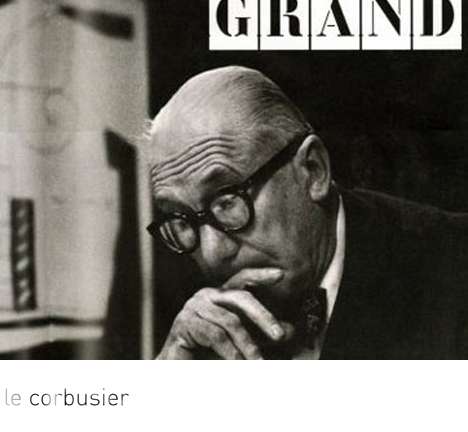
phaidon press: a spectacular visual biography of the life and work of the father of modern architecture. weighing in at 20 pounds, this massive book is packed with 2,000 images and documents, many rare or previously unpublished. drawing on an array of archival materials, this sumptuous volume depicts not only the vast and varied output of le corbusier, but also the major events, people, and forces that shaped the life of a man who continues to fascinate those in and outside the architectural world.
-
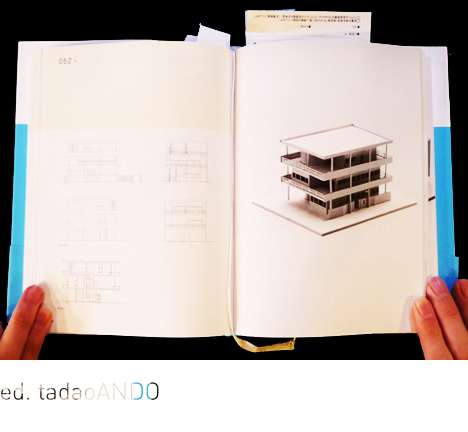
all 106 of le corbusier’s designs for houses are presented in model and drawing form. the houses are all drawn and presented at the same scale and ordered chronologically displaying the evolution and trajectory of corb’s career. the book is beautifully bound an includes an essay by tadao ANDO.
-
the first major book by LE CORBUSIER, towards a new architetcure collects a series of articles originally written for his own avant-garde magazine, l’esprit nouveau. he writes about his technical and aesthetic theories, regulating lines, rome, mass produced homes, and revolution. full of amazing observations and provocations such as “the house is a machiine for living,” “the time is ripe for construction not tomfoolery,” “architecture is stifled by custom, it is the only profession in which progress is not considered necessary,“ a cathedral is not very beautiful,” and “to send architecture students to rome is to cripple them for life.”